
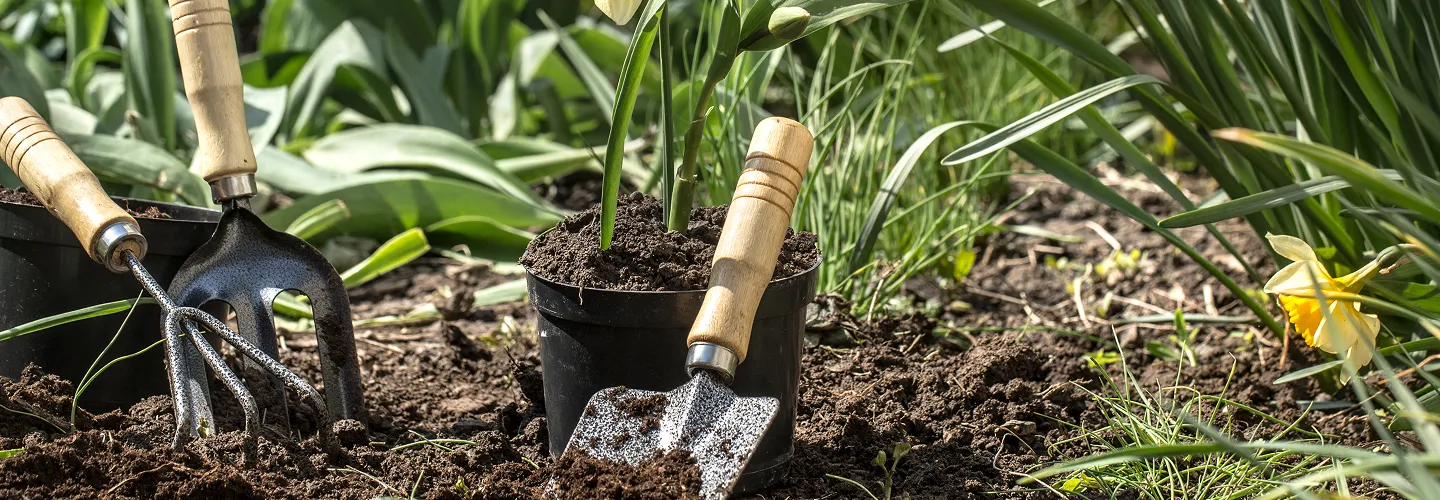
Hondo Sod Installation Services
Choose our expert sod installation for a hassle-free transformation—enjoy a vibrant, healthy lawn that instantly boosts your home's curb appeal and value, all with professional care from start to finish.
Get a Free QuoteOur Hondo Landscaping & Yard Care Services
When to Schedule Sod Installation in Hondo, Texas – Seasonal Guide
Choosing the right time for sod installation in Hondo, Texas is essential for achieving a lush, healthy lawn that thrives year-round. In Hondo’s unique climate, the best periods for laying sod are typically late spring through early summer and early fall. These windows offer optimal soil temperatures and moisture levels, allowing new sod to establish strong roots before the intense summer heat or occasional winter frosts set in. Neighborhoods near Castro Avenue and the areas surrounding Hondo City Park often experience microclimates influenced by shade from mature oaks and pecans, as well as varying soil types from sandy loam to heavier clay.
Local environmental factors play a significant role in determining the best installation timing. Hondo’s weather patterns include hot, dry summers and mild winters, but late spring can bring unpredictable rainfall and humidity. Homeowners should also consider the city’s average last frost date in early March and the potential for drought conditions later in the season. For more information on local climate and landscaping guidelines, visit the official municipal resource.
Local Factors to Consider for Sod Installation in Hondo
- Tree density and shade coverage, especially in established neighborhoods
- Soil composition (sandy, loamy, or clay-heavy soils)
- Terrain slope and drainage patterns
- Seasonal precipitation and drought risk
- Municipal watering restrictions and guidelines
- Proximity to landmarks like Hondo Creek or the Medina County Fairgrounds
Benefits of Sod Installation in Hondo
Instant Green Lawns
Erosion Control
Weed Reduction
Enhanced Curb Appeal
Professional Installation
Locally Sourced Sod

Hondo Sod Installation Types

Residential Sod Installation
-
Commercial Sod Installation
-
Sports Field Sod Installation
-
Golf Course Sod Installation
-
Park and Recreation Sod Installation
-
Erosion Control Sod Installation
-
New Construction Sod Installation
Our Sod Installation Process
Site Preparation
Soil Grading
Sod Delivery
Sod Laying
Watering and Rolling
Why Choose Hondo Landscape Services
-
Hondo Homeowners Trust Us
-
Expert Lawn Maintenance
-
Reliable Scheduling
-
Competitive Pricing
-
Professional Team
-
Satisfaction Guarantee
-
Personalized Service
Hondo’s Predominant Soil Series and Site Preparation for Sod Installation
Sod installation in Hondo requires careful consideration of the city’s dominant soil types, which include Houston Black clay and Del Rio clay loam, as identified by the USDA Web Soil Survey. These soils are characterized by high clay content, moderate to poor drainage, and a pH typically ranging from 7.2 to 8.0. Proper site preparation is essential to ensure successful sod establishment. Recommended steps include:
- Deep tilling to a depth of 4-6 inches to break up compaction
- Incorporating 2-3 inches of compost to improve structure and drainage
- Conducting a soil test (available through Texas A&M AgriLife Extension; typical cost $15-25) to determine nutrient needs
- Applying lime if pH is below 6.0 or sulfur if above 7.5 These measures help address the challenges posed by Hondo’s expansive clays and promote healthy root development.
Municipal Coordination and Permit Requirements for Sod Installation in Hondo
Sod installation projects in Hondo must comply with local ordinances regarding property development, drainage, and right-of-way work. Permits are required for any sod installation that alters grading, impacts drainage patterns, or involves work within city easements. The City of Hondo Zoning Ordinances specify:
- Permit application fee: $50
- Review period: 5-10 business days
- Minimum 25-foot setback from wetlands or drainage channels
- Sod installation hours: Monday-Friday 7:00 AM - 7:00 PM; Saturday 8:00 AM - 6:00 PM; prohibited Sundays and holidays Coordination with the city is required for projects near public infrastructure or within regulated districts.
City of Hondo Development Services Department
1600 Avenue M, Hondo, TX 78861
Phone: (830) 426-3378
Official Website: City of Hondo Development Services Department
Environmental Compliance: Stormwater, Buffer Zones, and State Regulations in Hondo
Sod installation in Hondo must adhere to both municipal and state environmental regulations to protect local water bodies such as the Hondo Creek and associated wetlands. The city’s MS4 permit, administered under the Clean Water Act, prohibits the discharge of soil, sod debris, or fertilizers into storm drains. Key compliance steps include:
- Maintaining a 25-foot no-disturbance buffer from wetlands and streams
- Prohibiting fertilizer application within 50 feet of water bodies
- Ensuring no sod clippings or soil enter stormwater inlets
- Using erosion control measures (e.g., silt fences) on slopes State oversight is provided by the Texas Commission on Environmental Quality (TCEQ), which enforces the Texas Water Code. For technical guidance, consult EPA Region 6.
Optimal Sod Installation Timing and Weather Considerations for Hondo
Hondo is located in USDA Hardiness Zone 8b, with average annual minimum temperatures of 15-20°F. The optimal window for sod installation is from March 1 to May 15 and again from September 1 to October 15, when soil temperatures range from 60°F to 75°F and rainfall is more consistent. Avoid installation during peak summer (June-August) due to heat stress and increased irrigation demands. Monitor local weather forecasts through the National Weather Service Austin/San Antonio Office to avoid periods of heavy rainfall or drought. Key timing guidelines:
- Spring: March 1 - May 15 (soil temp 60-75°F)
- Fall: September 1 - October 15 (before first frost)
- Avoid: June-August (high heat, water restrictions)
- Irrigate newly installed sod daily for 2 weeks, then reduce frequency
Safety Protocols and Equipment Standards for Sod Installation in Hondo
All sod installation activities in Hondo must comply with municipal safety ordinances and equipment standards. Operators are required to use commercial-grade sod cutters and compactors, with blade sharpening every 20-25 hours of use. Personal protective equipment (PPE) is mandatory:
- Eye protection: ANSI Z87.1 safety glasses
- Hearing protection: Earmuffs or plugs for noise above 85 dB
- Footwear: Steel-toed boots with non-slip soles
- Gloves: Cut-resistant for handling sod and tools Maintain a 15-foot clearance from overhead utilities and follow all traffic control requirements when working near public roads. For projects in city parks or public spaces, coordinate with:
City of Hondo Parks and Recreation Department
1600 Avenue M, Hondo, TX 78861
Phone: (830) 426-2475
Official Website: City of Hondo Parks and Recreation Department
What Neighborhoods Do We Serve Throughout Hondo, TX?
- Avenue U District: Features mature residential lots with Houston Black clay soils, requiring deep tilling and compost amendment for sod success.
- Downtown Hondo: Historic properties with compacted urban fill soils and limited access, necessitating careful equipment selection and adherence to noise ordinances.
- Medina Estates: Newer subdivisions with Del Rio clay loam, moderate drainage, and larger lot sizes, allowing for efficient sod installation and irrigation setup.
- Bluebonnet Park Area: Proximity to Hondo Creek and city parks means strict enforcement of buffer zones and stormwater controls during installation.
- Southside Industrial Corridor: Commercial properties with heavy vehicle traffic and utility easements, requiring coordination with city departments for right-of-way work.
- Oakwood Subdivision: Residential area with moderate slopes and periodic flooding, demanding erosion control measures and careful scheduling around wet periods.
- La Paz Neighborhood: Mixed-use area with variable soil conditions and HOA landscaping standards, impacting sod species selection and installation timing.